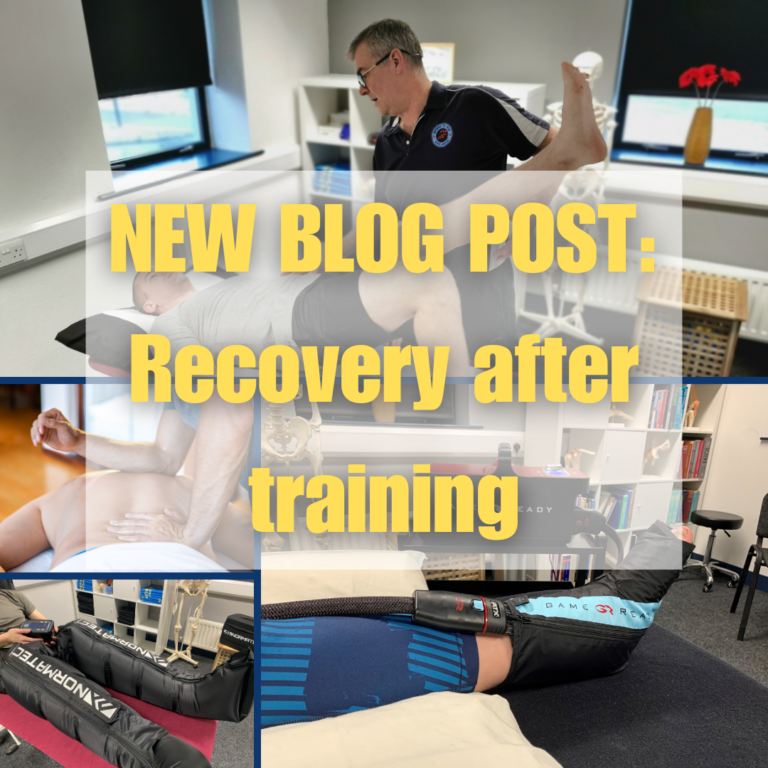

As athletes and fitness enthusiasts, we often focus on the intensity of our training sessions, striving to push our limits and achieve our goals. However, what happens after the workout is equally crucial for our overall well-being and performance. In this blog post we’ll delve into the essential aspects of post-training recovery from a physiotherapy standpoint.
1. Rest Days: The Foundation of Recovery
Rest days are not a sign of weakness; they are essential for optimal recovery. During intense exercise, our muscles undergo microtrauma, and rest allows them to repair and grow stronger. Physiotherapists emphasise the importance of incorporating active rest—gentle movements like walking or yoga—on rest days. It promotes blood flow, reduces stiffness, and aids in tissue repair.
2. Compression Therapy: A Game-Changer
 Normatec Boot Compression Therapy is a game-changer for athletes, pain relief seekers and wellness enthusiasts alike. By reducing muscle soreness, inflammation, and enhancing circulation, these cutting-edge boots accelerate post-workout recovery.
Compression garments, such as sleeves or socks, also enhance circulation by applying pressure to the muscles. They help reduce swelling, prevent blood pooling, and accelerate the removal of metabolic waste products. Wearing compression gear post-workout can significantly contribute to faster recovery.
3. Hot and Cold Contrast Baths: The Yin and Yang of Recovery
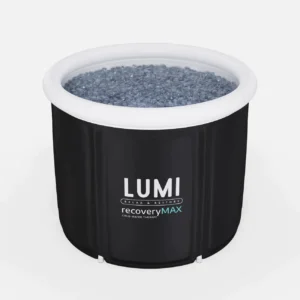 Hot baths increase blood flow, relax muscles, and soothe soreness. On the other hand, cold baths (or ice baths) reduce inflammation and numb pain receptors. Alternating between hot and cold water—known as contrast baths—can enhance recovery by promoting circulation and reducing muscle soreness.
4. Compression and adjustable Cold Therapy
 The Game Ready Machine offers accelerated recovery by reducing inflammation, offering pain relief, stimulating tissue healing, increasing blood flow and optimising lymphatic drainage.
5. Physiotherapy: Tailored Rehabilitation
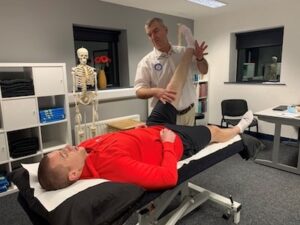 Physiotherapists play a pivotal role in post-training recovery. They assess individual needs, address imbalances, and design personalised rehabilitation programmes. Techniques like manual therapy, joint mobilisation and corrective exercises aid in restoring function and preventing injuries.
6. The Magic of Massages
 Massage therapy isn’t just a luxury; it’s a powerful recovery tool. Skilled therapists use techniques like Swedish massage, deep tissue massage, and myofascial release to relieve muscle tension, improve flexibility, and enhance blood flow. Regular massages can significantly impact recovery and overall performance.
7. Hydration: The Unsung Hero
Proper hydration is often underestimated. Water is essential for nutrient transport, waste elimination and maintaining optimal cellular function. Dehydration impairs recovery, so ensure you drink enough water throughout the day, especially after intense workouts.
8. Prioritise Quality Sleep
Sleep is when the real magic happens. During deep sleep our bodies repair tissues, release growth hormones, and consolidate memories. Aim for 7-9 hours of uninterrupted sleep each night. Create a conducive sleep environment, limit screen time before bed and establish a consistent sleep schedule.
In Summary
Recovery isn’t passive; it’s an active process that requires conscious effort. As physiotherapists and athletes, we must recognise that optimal recovery directly impacts our performance, injury prevention, and overall well-being. So, embrace rest days, invest in compression therapy, explore contrast baths, seek professional physiotherapy, indulge in massages, hydrate diligently, and prioritise quality sleep. Your body will thank you, and your performance will soar!
Remember, recovery isn’t a luxury—it’s a necessity. Let’s treat it as such and elevate our training journey to new heights.
References:
Middlebrook, N., Heneghan, N. R., Falla, D., Silvester, L., Rushton, A. B., & Soundy, A. A. (2021). Successful recovery following musculoskeletal trauma: protocol for a qualitative study of patients’ and physiotherapists’ perceptions. BMC Musculoskeletal Disorders, 22, 1631
Kiterise. (n.d.). Should You Exercise After Physio? A Comprehensive Guide. Retrieved from 2.
Sports Injury Physio. (2024, February 15). How to optimize recovery after training. Retrieved from 3.
Physique Development. (n.d.). Your Complete Guide to Achieving Optimal Recovery from Training. Retrieved from 4.
Disclaimer: This blog post provides general information and should not replace personalised advice from a qualified physiotherapist. Always consult a healthcare professional for individualised recommendations.