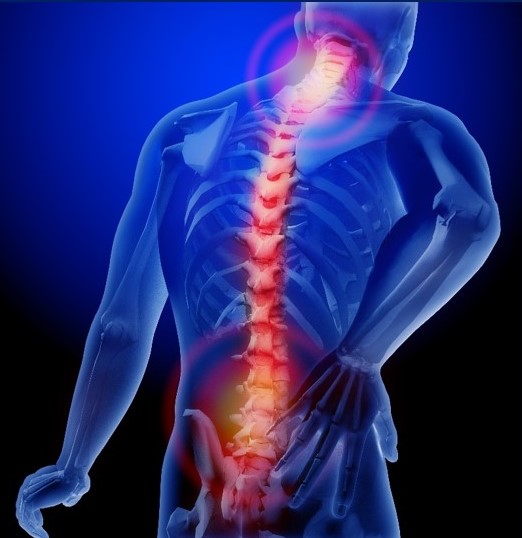

Chronic pain, which is pain that has lasted more than 12 weeks, can have an enormous impact on the quality of a person’s life, affecting relationships, careers, mental health and more. People with chronic pain are three times more likely to develop depression and it can lead to other health issues such as heart and gastrointestinal issues.
Our nervous system controls everything within the body and is responsible for all the messages between the brain and the rest of our body about what we are feeling, our sensations such as pain, touch and temperature. Normally, when a person injures themselves, the nerves in the injured area send a “pain message” to the brain telling it that the area needs protection while it heals. When the healing is complete the nerves normally stop sending these “pain messages” and we get back to normal. With chronic pain however, the nerves can continue to send these “pain messages” to the brain, despite the fact that the area has actually healed.
For people with chronic pain where the nervous system remains overexcited and continues to send inappropriate painful messages to the brain, exercise and movement can feel painful at first and so we avoid getting active for fear of causing more damage, even though the exercise is not causing any harm. In fact, for many who suffer with chronic pain, light exercise and movement can have a hugely beneficial impact on reducing their pain, breaking the cycle of pain and resetting the messages going to brain so we can start the process of getting back to normal. The key is just managing how you start to get active, starting simply with a realistic change and then slowly progress step by step.
According to a UK government survey, 34% of us live with some form of chronic pain.1 In this same survey it was found that 45% of the physically inactive (those who reported below 30 minutes of moderate or vigorous physical activity per week) reported being in chronic pain.
Studies have shown there is a very strong link between people experiencing chronic pain and reducing their physical activity.2 A survey undertaken in Europe3 about Chronic Pain found that most people living with Chronic Pain were restricted in some way from performing activities such as walking, domestic chores and intense exercise. This can lead to a vicious cycle of pain, whereby people suffering from chronic pain reduce their activity levels which in turn can increase their pain as well as result in numerous other health related conditions.
How does exercise help with Chronic Pain
For many conditions (including Fibromyalgia and Osteoarthritis), it has been found that as much, if not more, relief from pain can be gained from the effects of physical activity compared to taking painkillers and/or anti-inflammatories. Not only can physical activity provide these pain relief benefits, it also has so many other extra benefits.
Benefits of exercise for people with chronic pain:
- Improved nerve function and reduced pain
- Reduction in stress, depression and anxiety
- Reduction in inflammation
- Better sleep
- Improved energy levels
- Reduction in excessive joint loading and joint pain
Exercise which has been specifically designed for an individual’s needs, is known to help reduce pain, inflammation and improve strength, general function and mental health. Exercising regularly also helps to boost endorphin levels which are your “feel good hormones”, and helps to manage weight, which reduces excessive joint loading and joint pain. Exercise also helps improve sleep quality and we know that the best type of recovery comes from quality sleep.
Remember that with any exercise routine it is important to start slowly and gradually build up. If you suffer from chronic pain which you feel is limiting your ability to exercise or you are unsure which form of exercise is right for you, we are here to help. Our expert chartered physiotherapists can determine which type of exercise is best for you. All conditions are different, and it is important to tailor your exercise to your individual condition. We also have relationships with specialist pain consultants, so if we need further advice, we can refer you on.
As physiotherapists we can assess you, discuss your pain and provide you with the correct advice on how much exercise you should be doing. We will also tailor this plan to you and your lifestyle so it is something that you will be able to sustain in order to gain the long-term benefits. Because consistency is the key to getting long term benefits, we will also take into account your interests and modify your plan accordingly.
What type of movement is right for you?
Choosing the right kind of exercise to help reduce your pain is important. Exercise such as walking or swimming, yoga and Pilates are good because they can help to increase strength and endurance without placing too much strain on your body.
The key is being consistent, e.g. 30 mins of walking 3-5 times a week, even on “bad” days when you are experiencing greater pain, may help reduce the number of bad days that you have. Studies have shown that skipping exercises on these days may not reduce symptoms, but may contribute making things worse due to muscle weakness and a loss of range of motion.
As a general rule, any type of low impact movement is good (e.g. walking or swimming), however what works for one person may not work for another. There is no “one size fits all” approach to people that have chronic pain, as there can be vast differences in abilities, lifestyles, pain levels and goals.
As we’ve detailed above, because chronic Pain can exist for many reasons, it is important to understand the exact reason why YOUR chronic pain exists. For example, low back pain could exist because of a weakness in particular muscles or due to muscle imbalance or overload. It can also exist because of lack of flexibility with some muscles.
It is also important that the exercise program for anyone living with chronic pain takes into account the safety and the effectiveness of the program. This includes taking into account many factors, including;
– tailoring the plan to stay within the individual’s range of motion to ensure the exercise is not affecting balance or joint stability or increasing pain levels,
– minimising risks such as overdoing it, injuries, falls etc
-taking into account body mechanics and posture to reduce joint loading
Our physiotherapists are experts in determining the cause of the pain and what is needed to eliminate or reduce this pain. They can provide a proper assessment and give you a tailored exercise program which you can complete at home to begin your journey to minimising your chronic pain.
With exercise and movements to minimise pain, the focus is on quality, not quantity. We tailor movement/exercise programs and take the time during your initial assessment to properly explain the mechanics of the exercises we recommend to you and show you the correct way to perform the exercise. Our initial physiotherapy sessions are longer than industry average for a reason, we believe it is essential to give our clients the proper advice and tools to enable them to take control of their own recovery and undertake their recovery sessions at home.
We understand the fear that many people with chronic pain have in starting an exercise program. The fear of increased pain, the fear of your own abilities and not being able to complete the exercises, the fear of exhausting yourself (especially if you suffer from fatigue as a part of your condition) or being motivated enough to complete your program. We also understand the difficulties that the lack of sleep, anxiety, depression, pain and other side effects of chronic pain can have on motivation levels. Not only do we understand these barriers, our caring and empathetic physiotherapists take all of these issues into account when providing an exercise program for you.
Because chronic pain is a condition that has lasted for more than 12 weeks there is no magic wand that can cure chronic pain overnight and treatments without pills will require some behavioural changes, but if you are consistent in doing the exercises/movements that your therapist has designed for you, you should start to see a reduction in your pain levels and increase in your quality of life. These types of treatments have been found for many people to not only provide the greatest reduction in their chronic pain symptoms (compared to painkillers and anti-inflammatories), but are also the most rewarding because patients are taking control over their pain and their quality of life.
Summary
The takeaway from all of this is that it is important when suffering from chronic pain to not reduce your movement, any movement even if it is just small amounts and of low intensity is beneficial. Consistency is the key to getting the most improvement in pain levels and function. Having a movement/exercise plan that is tailored to your needs, abilities and interests will help you be successful in achieving this consistency.
We know change can be scary, but it can literally be life changing. Our caring physiotherapists are here for you if you need help to make the changes needed to break free from the cycle of chronic pain.
References:
- https://assets.publishing.service.gov.uk/government/uploads/system/uploads/attachment_data/file/940858/Chronic_Pain_Report.pdf
- A review of chronic pain impact on patients, their social environment and the health care system (nih.gov)
- Breivik H, Collett B, Ventafridda V, Cohen R, Gallacher D. Survey of chronic pain in Europe: prevalence, impact on daily life, and treatment. Eur J Pain. 2006;10(4):287–333. [PubMed] [Google Scholar]
- Kelley GA, Kelley KS, Hootman JM, Jones DL. Effects of community-deliverable exercise on pain and physical function in adults with arthritis and other rheumatic diseases: a meta-analysis. Arthritis Care Res (Hoboken) 2011:6379–93