
Understanding Pars Interarticularis Injuries in Adolescent Athletes
Pars interarticularis injuries can pose significant challenges for adolescent athletes. This delicate part of the vertebra, located in the posterior element of the spine, plays a crucial role in maintaining stability. When injured, it can lead to pain and potential complications, especially in young, active individuals.
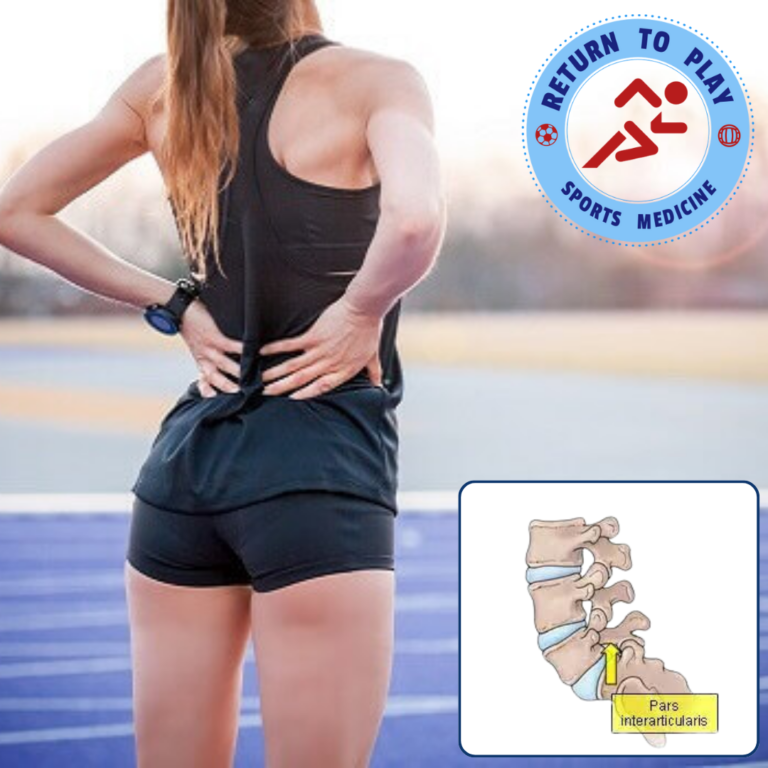
The pars interarticularis is a bony bridge between the superior and inferior articular facets of the vertebra. It is susceptible to stress fractures, particularly in adolescents engaging in repetitive hyperextension activities like gymnastics, football, or dance. These micro-fractures can develop gradually, leading to a condition known as spondylolysis.
We look at these injuries as occurring on a continuum:
Stress Reaction (Irritation of the bone) → Stress Fracture (Spondylolysis) → Instability (Spondylolisthesis)
Diagnosis
Identifying pars interarticularis injuries in adolescent athletes requires a combination of injury history, clinical evaluation, and potentially diagnostic imaging. Symptoms may include lower back pain, stiffness, and discomfort during certain movements, particularly spinal extension. X-rays, CT scans, or MRI scans are commonly employed to confirm the diagnosis and assess the severity of the injury.
Several factors contribute to the vulnerability of adolescent athletes to pars interarticularis injuries. Rapid growth spurts, improper training techniques, and excessive stress on the spine due to intense physical activities can increase the risk. Coaches, parents, and healthcare professionals should be vigilant in recognizing these risk factors to implement preventive measures.
Physiotherapy Management
The management of pars interarticularis injuries varies based on the severity of the condition. Conservative approaches often include rest, activity modification, and physical therapy to strengthen the core muscles and improve flexibility. In some cases, bracing may be recommended to limit movement and facilitate healing. Severe cases might require surgical intervention to stabilize the affected vertebrae.
Preventing pars interarticularis injuries involves a comprehensive approach. Coaches should emphasise proper technique and body mechanics during training sessions. Incorporating strength and flexibility exercises targeting the core and back muscles can help reduce the risk of stress fractures. Regular monitoring of athletes for early signs of discomfort is essential for timely intervention.
Rehabilitation plays a crucial role in the recovery process for adolescent athletes with pars interarticularis injuries. Gradual return-to-play protocols, under the guidance of a Physiotherapist, ensure that athletes resume activities safely. Monitoring for any signs of recurrence is imperative to prevent long-term complications.
Conclusion
Pars interarticularis injuries demand attention in the realm of adolescent athletes. Recognising risk factors, implementing preventive measures, and adopting a cautious approach to rehabilitation are key components in managing these injuries. By fostering a culture of proper training techniques and injury awareness, we can strive to protect the spine health of young athletes and promote a sustainable, active lifestyle.