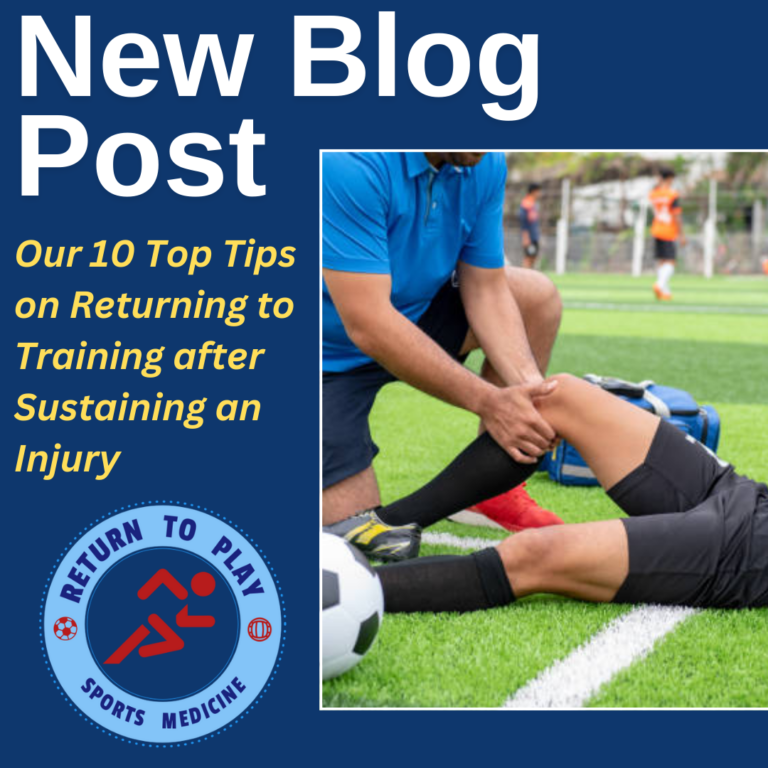

Returning to training after an injury can be a daunting process, but with the right approach and mindset, it can also be a rewarding journey. As physiotherapists, we’ve seen many athletes and fitness enthusiasts successfully navigate this path. Here are our top tips to help you get back to your training routine safely and effectively.
- Listen to Your Body
One of the most important aspects of returning to training after an injury is to listen to your body. Pain is your body’s way of telling you that something is wrong. If you experience pain during or after a workout, it’s crucial to stop and assess the situation. Pushing through pain can lead to further injury and setbacks. Instead, focus on understanding the difference between discomfort and pain. Discomfort is a normal part of the healing process, but pain is a signal that you need to take a step back.
- Follow a Gradual Progression
It’s tempting to jump back into your previous training routine, but doing so can increase the risk of re-injury. Instead, follow a gradual progression plan. Start with low-intensity exercises and gradually increase the intensity and duration over time. This approach allows your body to adapt and rebuild strength without overwhelming it. A good rule of thumb is to increase your training load by no more than 10% per week.
- Incorporate Strength Training
Strength training is a crucial component of injury recovery. It helps to rebuild muscle strength, improve joint stability, and enhance overall functional capacity. Focus on exercises that target the muscles around the injured area, as well as the core and lower body. It’s also important to include both concentric (muscle shortening) and eccentric (muscle lengthening) exercises in your routine. Eccentric exercises in particular have been shown to be effective in rehabilitating tendons and muscles.
- Prioritise Flexibility and Mobility
Flexibility and mobility exercises are essential for maintaining range of motion and preventing stiffness. Incorporate stretching and mobility drills into your daily routine, focusing on the injured area as well as the surrounding muscles and joints. Dynamic stretches which involve moving through a range of motion, are particularly beneficial before workouts. Static stretches where you hold a stretch for a period of time are best performed after workouts to help with recovery.

- Stay Consistent with Rehabilitation Exercises
Rehabilitation exercises prescribed by your physiotherapist are designed to address specific weaknesses and imbalances that may have contributed to your injury. It’s important to stay consistent with these exercises, even as you start to feel better. Skipping rehab exercises can lead to incomplete recovery and increase the risk of re-injury. Make them a non-negotiable part of your routine, just like your regular workouts.
- Use Proper Technique
Using proper technique is crucial for preventing re-injury and ensuring effective training. Pay close attention to your form during exercises, and don’t hesitate to seek guidance from a coach or physiotherapist if you’re unsure. Poor technique can place unnecessary stress on your body and lead to compensatory movements that increase the risk of injury. Focus on quality over quantity, and prioritize controlled, deliberate movements.
- Incorporate Rest and Recovery
Rest and recovery are just as important as the training itself. Your body needs time to heal and adapt to the stresses of exercise. Make sure to incorporate rest days into your training schedule and prioritise sleep, nutrition and hydration. Active recovery activities such as light stretching, walking or yoga, can also be beneficial. Listen to your body and give it the time it needs to recover fully.
- Stay Positive and Patient
Returning to training after an injury can be a slow and sometimes frustrating process. It’s important to stay positive and patient throughout your recovery journey. Set realistic goals and celebrate small milestones along the way. Surround yourself with a supportive network of friends, family and healthcare professionals who can provide encouragement and guidance. Remember that setbacks are a normal part of the process and with perseverance, you will get back to your training routine.
- Monitor Your Progress
Keep track of your progress by maintaining a training journal or using a fitness app. Record your workouts, noting any pain or discomfort, as well as improvements in strength, flexibility, and endurance. Monitoring your progress can help you stay motivated and identify any patterns or issues that may need to be addressed. It also provides valuable information for your physiotherapist to adjust your rehabilitation plan as needed.
- Seek Professional Guidance
Finally, don’t hesitate to seek professional guidance throughout your recovery journey. A physiotherapist can provide personalised advice, monitor your progress, and adjust your rehabilitation plan as needed. They can also help you identify any underlying issues that may have contributed to your injury and provide strategies to prevent future injuries. Regular check-ins with your physiotherapist can ensure that you’re on the right track and making safe, effective progress.
Returning to training after an injury requires patience, dedication, and a strategic approach. By following these top tips, you can safely and effectively get back to doing what you love. Remember, your health and well-being are the top priorities, so take the time to recover fully and enjoy the journey back to fitness.