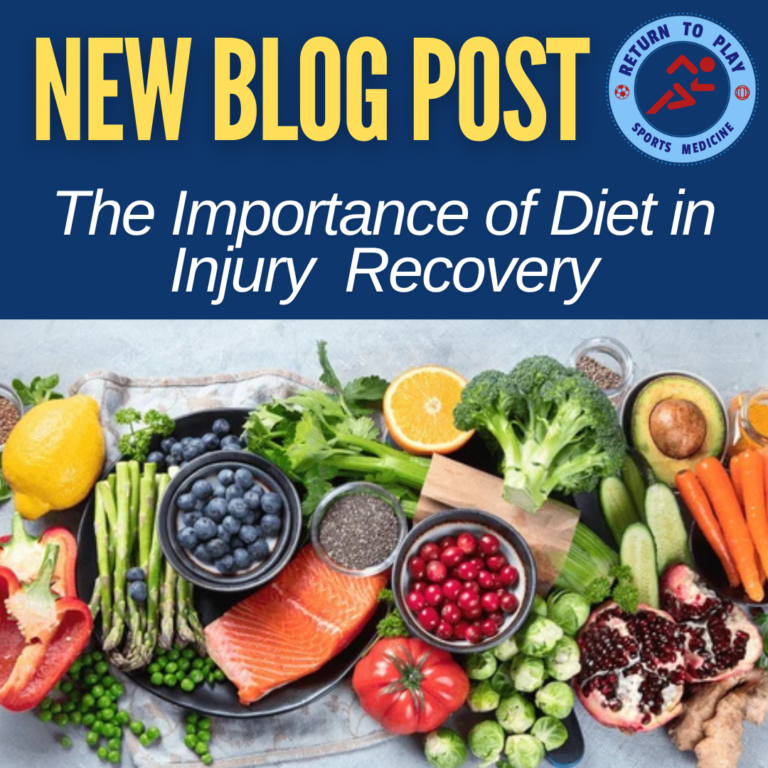

Injury recovery is a multifaceted process that involves not only physical rehabilitation but also proper nutrition. As physiotherapists, we understand that the body’s ability to heal and recover is significantly influenced by the nutrients it receives. A well-balanced diet can accelerate recovery, reduce inflammation, and improve overall outcomes. In this blog post we explore the critical role of diet in injury recovery and how it complements physiotherapy.
The Healing Process and Nutritional Needs
When an injury occurs, the body initiates a complex healing process that includes inflammation, tissue repair, and remodelling. Each of these stages requires specific nutrients to function optimally:

- Inflammation: This initial response to injury involves increased blood flow to the affected area, bringing immune cells to fight infection and clear debris. Anti-inflammatory foods rich in omega-3 fatty acids, such as fish, flaxseeds and walnuts, can help manage excessive inflammation and pain.
- Tissue Repair: During this phase, the body needs proteins to rebuild damaged tissues. Lean meats, poultry, fish, eggs and plant-based proteins like beans and lentils provide the necessary building blocks for muscle and tissue repair.
- Remodelling: This final stage involves strengthening and reorganising the repaired tissue. Nutrients like vitamin C which is found in citrus fruits and vegetables, and zinc, present in nuts and seeds, are crucial for collagen synthesis and tissue strength.
Key Nutrients for Injury Recovery
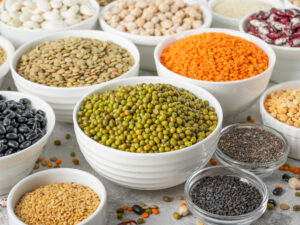
- Protein: Essential for repairing and building tissues, protein should be a cornerstone of your recovery diet. Aim for high-quality sources such as lean meats, dairy, eggs and plant-based options like tofu and legumes.
- Omega-3 Fatty Acids: These healthy fats reduce inflammation and support the healing process. Incorporate fatty fish like salmon, chia seeds and walnuts into your meals.
- Vitamins and Minerals:
- Vitamin C: Vital for collagen production, which is necessary for repairing ligaments, tendons, and bones. Include fruits like oranges, strawberries, and kiwi as well as vegetables like peppers and broccoli.Vitamin D: Supports bone health and immune function. Sun exposure, fortified dairy products and fatty fish are good sources.
- Zinc: Important for immune function and protein synthesis. Found in meat, shellfish, legumes and seeds.
- Antioxidants: These compounds help reduce oxidative stress and inflammation. Berries, nuts, dark chocolate and green leafy vegetables are excellent sources.
Hydration and Recovery
Staying hydrated is equally important in the recovery process. Water supports nutrient transport, joint lubrication, and temperature regulation. Dehydration can impair the healing process and increase the risk of further injury. Aim to drink at least 8-10 glasses of water daily, and more if you are physically active or in a hot environment.
The Role of Supplements
While a balanced diet should provide most of the nutrients needed for recovery, supplements can be beneficial in certain cases. For example, individuals with dietary restrictions or specific deficiencies might need additional support. Always consult with a healthcare professional before starting any supplement regimen to ensure it is safe and appropriate to your needs.
Integrating Nutrition with Physiotherapy
Physiotherapy focuses on restoring movement, strength and function through exercises and manual therapy. When combined with proper nutrition, the benefits are amplified. Here’s how to integrate both:
- Pre- and Post-Exercise Nutrition: Consuming a balanced meal or snack before and after physiotherapy sessions can enhance performance and recovery. Pre-exercise, focus on carbohydrates and protein for energy. Post-exercise, prioritise protein and healthy fats for muscle repair.
- Meal Planning: Work with a dietitian or nutritionist to create a meal plan that supports your recovery goals. This plan should include a variety of nutrient-dense foods to ensure you’re getting all the necessary vitamins and minerals.
- Monitoring Progress: Keep track of your dietary intake and recovery progress. Adjust your nutrition plan as needed based on your healing and any feedback from your physiotherapist.
Conclusion
Diet plays a pivotal role in injury recovery, working hand-in-hand with physiotherapy to optimise healing. By focusing on nutrient-rich foods, staying hydrated and considering supplements when necessary, you can support your body’s natural healing processes and achieve better outcomes. Remember, recovery is a journey that requires patience, consistency and a holistic approach. Here’s to a healthier, stronger you!